
There’s a good chance you’ve already tried to handle this on your own. A new cleanser here, a highly-reviewed spot treatment there, maybe a TikTok-famous serum you saw three friends recommend. That’s a totally reasonable first move for occasional, mild breakouts. But there’s a point where DIY-ing it starts costing you more than it’s saving – in time, in money, and in your skin’s long-term health. Here’s how to know you’ve hit that point.
The Signs It’s Time to Stop Guessing
You’ve actually been consistent for 8-12 weeks and nothing’s changed. Most treatments, whether from the drugstore or a dermatologist, need at least six to eight weeks before you can fairly judge them. If you’ve genuinely stuck with something that long and your skin looks the same, that’s not a sign you need a different product. It’s a sign the real cause needs a closer look.
Your breakouts are deep, painful, and won’t come to a head. Those tender bumps under the skin – the ones that hurt to touch and never quite turn into a normal pimple – carry a real risk of scarring, and they typically shrug off anything you can buy over the counter. This is one of the clearest “stop waiting” signals there is.
You’re starting to see marks left behind. Once acne starts leaving scars or dark spots, every new breakout adds to the pile. Getting ahead of active acne now is the best way to protect your skin from a permanent record of it later.
Your breakouts follow a pattern. Jawline clusters, flares the week before your period, or a sudden shift after switching birth control all point toward hormones being involved – which usually calls for a different approach than standard acne care.
Your bathroom shelf is a graveyard of half-used products. If you’ve lost count of how many things you’ve tried without a real plan behind any of them, that’s your sign you need a diagnosis, not another purchase.
It’s just… getting to you. You don’t need any of the above to also be true. If your skin is affecting how confident you feel walking into a meeting, a first date, or just looking in the mirror, that alone is a completely valid reason to get help.
What Actually Happens at a First Visit
It’s more thorough than most people expect – not just a quick look at your face:
- Your acne story: when it started, how it’s changed, what you’ve already tried
- Your current routine and any medications
- Relevant health history, including your cycle and family history
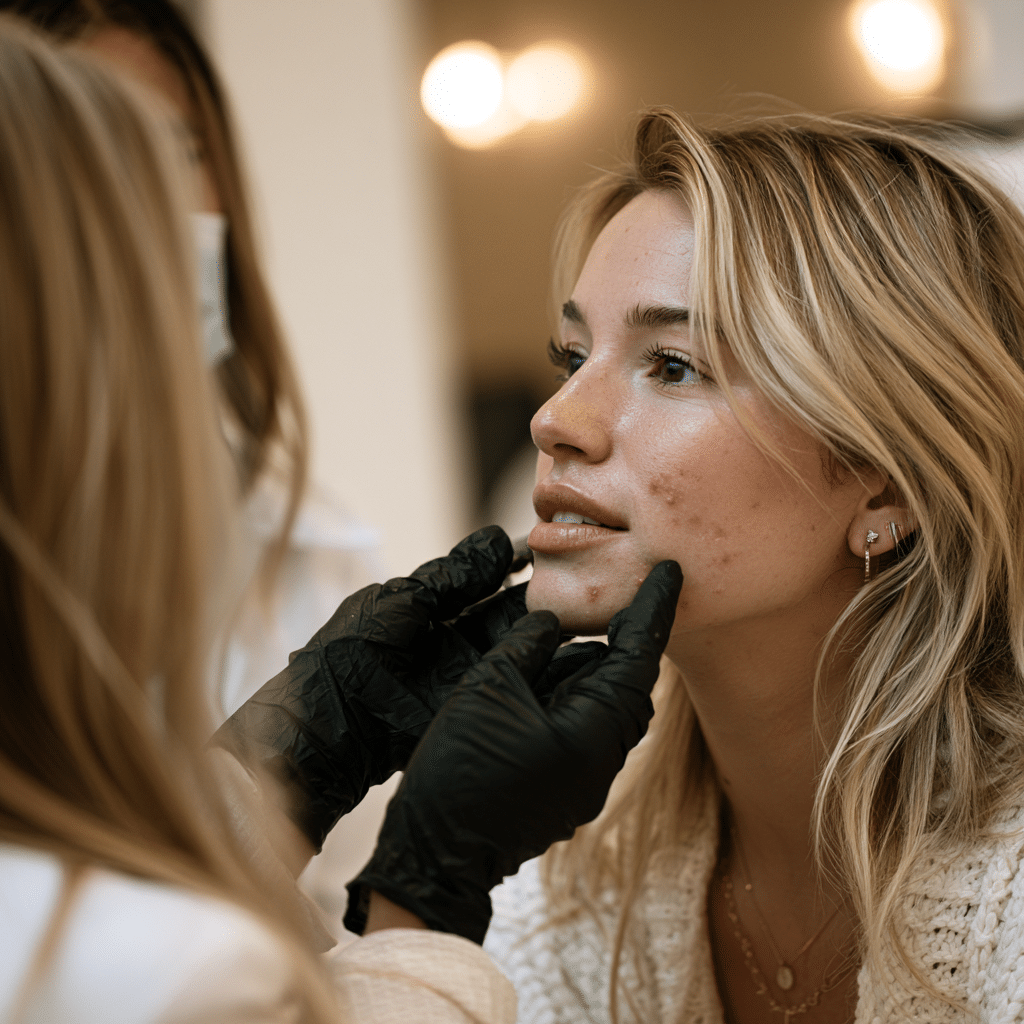
- A close look at what type of acne you actually have, and where
- Bloodwork, if there’s a reason to suspect a hormonal cause
From there, your plan can combine prescription treatment, in-office options, and lifestyle guidance – built around what’s actually driving your specific breakouts, instead of a generic starting point.
You Don’t Have to Wait Until It’s “Bad Enough”
Here’s a common misconception worth dropping: dermatology visits aren’t reserved for severe, dramatic acne. Earlier is almost always easier to treat and gentler on your skin long-term. There’s no invisible threshold of severity you need to hit first – if it’s bothering you, that’s reason enough.
The Bottom Line
If you’ve genuinely given a routine a fair shot and it’s not working, if your breakouts are painful or leaving marks, or if they’re just wearing you down – that’s your sign. A dermatology visit to L’AVENUE Derm can shortcut months of guessing and get you to a plan built specifically around your skin.
This article is for general educational purposes. If you’re dealing with acne that hasn’t responded to your current routine, a dermatology consultation is the most direct path to a plan that works for your skin specifically.