

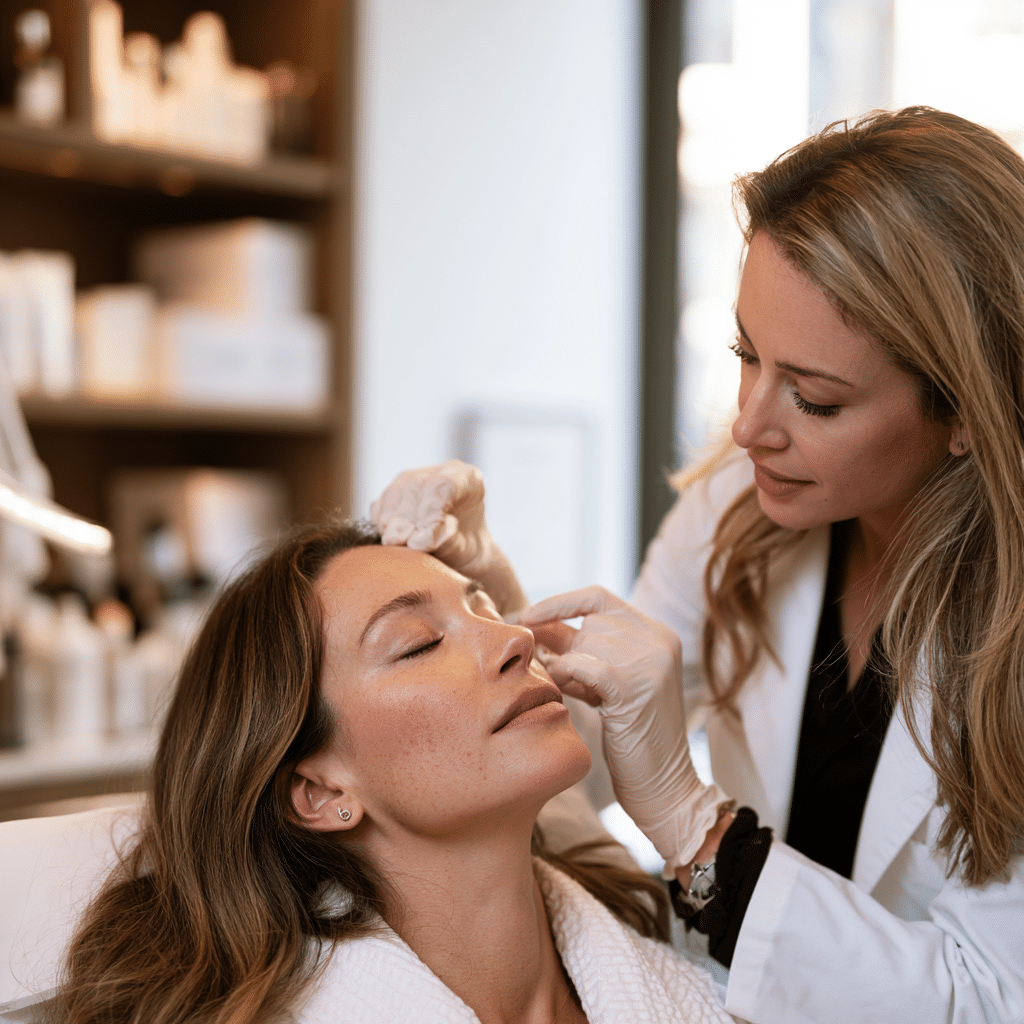
Your first injectable consultation can feel intimidating. Unfamiliar terms fly around the room. Botox, filler, Dysport, Sculptra. This guide breaks it all down simply. Consider it your starting point before that first appointment.
Two Categories, One Common Confusion
Nearly every cosmetic injectable falls into one of two families. Understanding this distinction changes everything about how you approach treatment.
Neuromodulators relax targeted muscles temporarily. Botox, Dysport, Xeomin, Jeuveau, and Daxxify all belong here. They work by blocking the nerve signal that tells a muscle to contract. Less muscle movement means less visible expression-line creasing over time.
Dermal fillers add volume and structure instead. Most contain hyaluronic acid, a substance your skin already produces naturally. Others use calcium hydroxylapatite or poly-L-lactic acid. Fillers restore lost volume, plump specific areas, and soften static folds present even when your face rests.
The mechanisms are entirely different. So are the ideal use cases.
What Neuromodulators Actually Treat
Neuromodulators excel at dynamic wrinkles, the lines that appear only when you move your face. Forehead creases, frown lines between your brows, and crow’s feet around your eyes are classic examples. Results typically appear within three to seven days and last three to four months, according to clinical data from Yale Medicine.
What Fillers Actually Treat
Fillers address static concerns and volume loss. Nasolabial folds, thinning lips, hollow cheeks, and under-eye hollowing all respond well. Hyaluronic acid fillers generally last six to eighteen months, depending on the product and treatment area. Calcium hydroxylapatite can last up to eighteen months in some cases.
Your First Consultation: What Actually Happens
A genuine consultation is not a sales pitch. It is an assessment. Expect your provider to examine your facial anatomy closely, ask about your goals, and discuss your medical history in detail. This includes current medications, allergies, and any previous cosmetic procedures.
A thoughtful provider will also manage expectations honestly. Subtle, natural-looking results generally require a smaller volume than dramatic transformations promise online. This is not a limitation. It is good medicine.
Understanding the Actual Injection Experience
Most injectable appointments take fifteen to thirty minutes total. A topical numbing cream is often applied beforehand. The injections themselves involve brief, quick pinches rather than sustained pain. Most patients describe mild discomfort, not agony.
Afterward, you can typically resume normal activities immediately. Some redness or minor swelling at injection sites is common and usually resolves within hours to a couple of days.
The Words You’ll Actually Hear at L’AVENUE Derm
Units. Neuromodulator dosing is measured in units, not milliliters. Your specific muscle strength and treatment goals determine how many units you need.
Syringes. Filler is measured in milliliters, typically sold in one-milliliter syringes. Full-face treatment plans often use several syringes across different areas.
Cannula versus needle. Some filler injections use a blunt-tipped cannula rather than a sharp needle, which can reduce bruising risk in certain areas.
Why Board Certification Matters More Than Convenience
Botox and filler injections carry real medical risk when performed incorrectly. Vascular complications, though rare, represent a genuine concern requiring immediate, skilled intervention. The American Academy of Dermatology explicitly cautions against injections performed in non-medical settings like salons or private homes.
At L’AVENUE Derm, board-certified dermatologists and plastic surgeons perform every injectable treatment. This matters because facial anatomy varies significantly between patients, and experienced providers recognize warning signs immediately if something looks off during treatment.
Setting Realistic First-Timer Expectations
Your first treatment will not transform your face overnight, nor should it try to. Conservative dosing is standard practice for injectable-naive patients. This allows your provider to see how your specific tissue responds before building toward your full aesthetic goals across subsequent visits.
Building a Relationship, Not Just Booking a Procedure
The best injectable outcomes develop over multiple visits with the same trusted provider. Your face changes gradually with age, and your treatment plan should evolve alongside it. A first appointment is really the beginning of an ongoing, personalized aesthetic relationship.
The Bottom Line
Cosmetic injectables fall into two distinct categories, each with a distinct purpose. Neuromodulators soften movement-based lines. Fillers restore volume and structure. A qualified, board-certified provider, combined with realistic expectations, sets the foundation for results that look genuinely like you, only refreshed.
This article is for general educational purposes and does not replace individualized medical advice. Consult a board-certified dermatologist to determine if injectables are appropriate for you.