

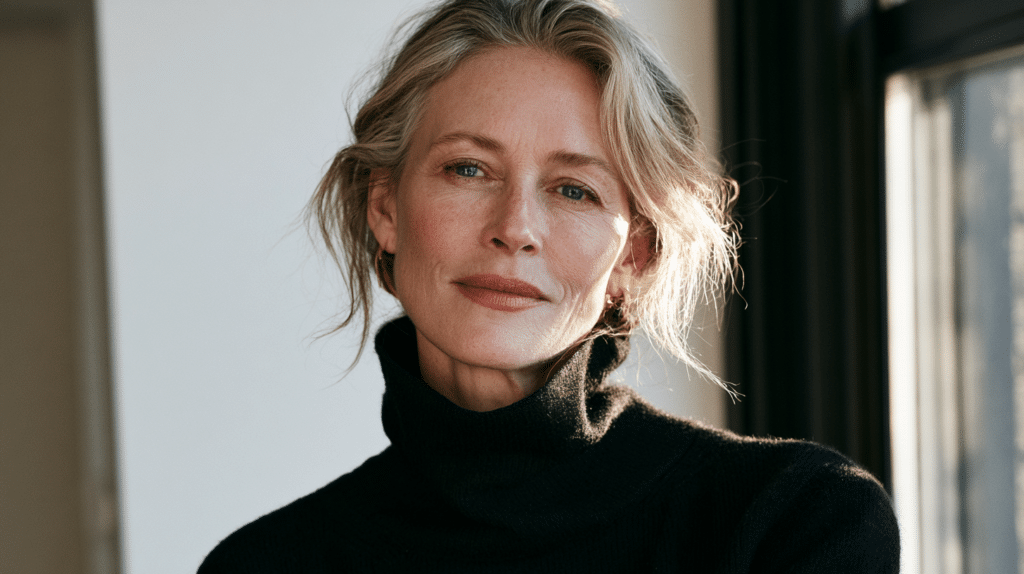
Healthy skin does not have to mean perfectly smooth skin. Aging is a natural process. Fine lines can become part of your expression. Texture can change. Skin may also become drier or more sensitive. Those changes do not necessarily mean your skin is unhealthy. In fact, healthy aging is less about stopping time. Instead, it is about protecting the skin you have. That means supporting the skin barrier. It means protecting against ultraviolet radiation. It also means choosing effective ingredients without overwhelming your routine. Over time, consistency matters more than complexity. Dermatologists increasingly emphasize simple, evidence-based habits for maintaining healthy skin throughout adulthood. The American Academy of Dermatology recommends daily sunscreen, regular moisturizing, gentle cleansing, and avoiding tanning as core habits. For patients in New York City, an effective skincare routine can also help manage the effects of seasonal weather, environmental exposure, and demanding schedules. At L’AVENUE Derm, the focus can be on creating a personalized approach that supports skin health through every stage of aging.
What happens to your skin as you age?
Skin changes gradually. Some changes are driven by intrinsic aging. Others result from environmental exposure. Ultraviolet radiation is particularly important. Over time, repeated sun exposure contributes to wrinkles, pigmentation changes, uneven texture, and loss of elasticity. The skin also becomes less efficient at retaining moisture. Its barrier can become more vulnerable to dryness and irritation. Meanwhile, collagen and other structural components change. These processes are normal. However, they do not happen at exactly the same rate for everyone. Genetics play a role. Lifestyle matters too. Your skincare habits can also influence how your skin looks over time. That is why healthy skin maintenance should begin with fundamentals.
Start with daily sunscreen
If there is one anti-aging habit worth prioritizing, make it sun protection. Ultraviolet radiation contributes substantially to premature skin aging. It can accelerate the appearance of wrinkles. It can also contribute to uneven pigmentation and other visible signs of photodamage. The American Academy of Dermatology recommends a broad-spectrum, water-resistant sunscreen with SPF 30 or higher. Broad-spectrum protection matters because it covers both UVA and UVB radiation. Daily use is important because ultraviolet exposure happens throughout the year. Cloudy weather does not eliminate ultraviolet exposure. Winter does not eliminate it either. Therefore, sunscreen should remain part of your morning routine.
Sunscreen is about more than wrinkles
Sun protection is often discussed as an anti-aging strategy. However, its importance extends well beyond appearance. Ultraviolet radiation is a major risk factor for skin cancer. Protecting your skin can therefore support both long-term health and appearance. Sunscreen is an important part of reducing premature skin aging and skin cancer risk. Think of sunscreen as daily maintenance. It does not need to feel glamorous. It simply needs to become automatic. Apply it every morning. Reapply when spending extended time outdoors. Use additional protection through shade, clothing, hats, and sunglasses when appropriate.
Choose a gentle cleanser
Healthy skin does not require aggressive cleansing. Scrubbing harder does not necessarily make skin cleaner. In fact, excessive irritation can disrupt the skin barrier. The AAD recommends gentle cleansing and advises against harsh scrubbing. A gentle cleanser can remove makeup, oil, sweat, pollution, and debris. At the same time, it can help minimize unnecessary irritation. This becomes increasingly important when skin becomes drier or more sensitive with age. Your cleanser should leave your skin feeling comfortable. A tight, burning sensation afterward may be a sign that your routine is too aggressive.
Moisturize consistently
Moisturizer is one of the simplest tools for maintaining healthy skin. It helps reduce water loss from the skin. That can improve comfort and support the skin barrier. Moisturized skin can also appear smoother. The AAD specifically recommends daily moisturizer as part of healthy skin maintenance. Interestingly, moisturizer can temporarily make fine lines look less noticeable. Hydrated skin reflects light differently. The result can be a softer, more luminous complexion. That does not mean moisturizer reverses structural aging. It simply supports the skin’s surface.
Your skin barrier deserves attention
The skin barrier protects the body from the outside environment. It also helps maintain appropriate hydration. When the barrier becomes compromised, skin can become dry, irritated, flaky, or uncomfortable. Over-exfoliation is one common contributor. Using too many active ingredients can also cause irritation. Harsh cleansers can create another problem. Therefore, healthy aging requires restraint. You do not need to use every trending ingredient. Instead, choose products that support your specific skin needs. Consistency usually beats intensity.
Build a simple routine
A complicated routine is not automatically better. The American Academy of Dermatology advises focusing on appropriate products and consistency rather than using numerous anti-aging products simultaneously. A basic morning routine might include cleansing, moisturizer, and sunscreen. An evening routine can include cleansing and moisturizer. A targeted active ingredient can then be added when appropriate. That might be a retinoid. It could be another dermatologist-recommended treatment. The important point is to introduce changes thoughtfully. Adding several active ingredients simultaneously makes irritation more likely. It can also make it difficult to identify which product is helping.
Consider a retinoid
Retinoids are among the best-studied topical ingredients for photoaging. They include prescription medications such as tretinoin. Over-the-counter products may contain retinol or other retinoid derivatives. These compounds influence cellular turnover and skin remodeling. Clinical research has demonstrated benefits for photoaged skin. A 2022 systematic review examined seven randomized controlled trials of topical tretinoin. All included studies reported improvement in clinical signs of photoaging, including wrinkles and pigmentation. Another review describes tretinoin as one of the most extensively studied topical treatments for photoaging. However, retinoids are not automatically appropriate for everyone. They can cause dryness, peeling, redness, or irritation. Starting slowly can improve tolerability.
More retinoid is not necessarily better
The goal is not to use the strongest possible product. Instead, the goal is to find an effective routine that your skin can tolerate consistently. The AAD recommends introducing retinoids gradually when appropriate. Some patients may begin with lower concentrations. Others may use a retinoid less frequently. Moisturizer can also help manage dryness. Your dermatologist can determine which option makes sense for your skin. Importantly, retinoids should not be used during pregnancy.
Treat your biggest concern first
Anti-aging skincare can become overwhelming. There are products for wrinkles. There are products for pigmentation. Others target pores, texture, redness, hydration, and firmness. Trying everything simultaneously is rarely necessary. The AAD recommends identifying your primary concern and choosing products accordingly. Perhaps pigmentation bothers you most. Maybe dryness is the bigger issue. Fine lines may be your priority. Your treatment plan should follow that concern. Once your skin is stable, additional goals can be addressed.
Do not confuse irritation with effectiveness
A common skincare misconception is that burning means a product is working. That is not a reliable measure. Persistent stinging can indicate irritation. Peeling can also occur when an active ingredient is too strong or used too frequently. The AAD advises stopping products that sting or burn and adjusting your routine when irritation develops. There are exceptions. Some prescription treatments can cause temporary irritation during adjustment. Even then, your dermatologist can help you find an appropriate schedule. Healthy skin should not constantly feel inflamed.
Exfoliation should be strategic
Exfoliation can improve the appearance of dull or uneven skin. Chemical exfoliants include ingredients such as alpha-hydroxy acids. They can help loosen connections between surface skin cells. However, more exfoliation does not necessarily produce better skin. Over-exfoliation can damage the skin barrier. It can also worsen dryness and sensitivity. Therefore, exfoliation should complement your routine. It should not compete with it. If you already use a retinoid or other active treatment, ask your dermatologist before adding additional exfoliants.
Pay attention to your skin type
A skincare routine should reflect your skin. Dry skin may need richer moisturization. Oily skin may prefer lighter formulations. Sensitive skin may require fewer active ingredients. Combination skin can require different approaches across different facial areas. Skin color also matters. Irritation can trigger post-inflammatory hyperpigmentation, particularly in people prone to pigmentation changes. Individuals with darker skin should be particularly attentive to irritation when using retinoids. Personalization therefore matters more than following a generic routine.
Protect your skin from NYC’s environment
City living exposes skin to more than sunlight. Cold weather can increase dryness. Indoor heating can reduce humidity. Wind can further stress the skin barrier. Summer heat can increase sweat and oil production. Airborne pollutants may also interact with the skin. That does not mean you need a complicated “city detox” routine. Instead, focus on cleansing gently. Moisturize consistently. Use daily sunscreen. Then adjust products when your skin’s needs change.
Do not forget your neck
Skincare routines often stop at the jawline. The neck, however, also experiences sun exposure and aging. Fine lines and changes in skin texture can develop there. Your sunscreen should extend to exposed neck skin. Moisturizer can also be applied beyond the face. Some active treatments may be appropriate for the neck. However, the neck can be more sensitive than facial skin. Introduce products carefully. A dermatologist can recommend an appropriate approach.
Your hands need protection too
Hands often reveal cumulative sun exposure. They receive frequent ultraviolet exposure throughout the day. Yet sunscreen is easily forgotten after hand washing. Applying sunscreen to exposed hands can help reduce cumulative photodamage. Moisturizer can also support dry skin. Consider applying both after washing when practical. These small habits can become part of your overall healthy-aging strategy.
Sleep matters for skin health
Skincare products are only one part of healthy skin. Sleep supports overall physiological function. Poor sleep can affect how the skin looks and feels. Chronic sleep disruption may also influence inflammatory pathways. Therefore, healthy aging involves more than topical products. Aim for consistent sleep. Manage stress where possible. Stay physically active. Support your general health. Your skin is part of your body. It reflects more than what you apply to it.
Stress can affect your skin
Stress does not cause every skin problem. However, it can influence several dermatologic conditions. Stress can affect inflammatory pathways. It can also influence behaviors such as touching or picking the skin. Some people notice worsening acne during stressful periods. Others experience increased sensitivity or flares of existing conditions. Consequently, stress management can be part of a broader skin-health strategy. That does not require perfection. Even sustainable habits can make a difference.
Nutrition supports overall skin health
No single food can prevent skin aging. Similarly, no “superfood” can replace sunscreen. However, balanced nutrition supports general health. Adequate protein provides amino acids needed throughout the body. Fruits and vegetables provide vitamins and other nutrients. Healthy dietary patterns can support cardiovascular and metabolic health. Those benefits matter for long-term wellbeing. Be cautious with extreme dietary claims. Supplements should not automatically become part of an anti-aging routine. Discuss supplements with your physician when appropriate.
Do not smoke
Smoking accelerates visible skin aging. It can contribute to wrinkles and changes in skin texture. Smoking also affects overall health in significant ways. The AAD includes avoiding smoking among its recommendations for reducing premature skin aging. If you smoke, quitting is one of the most meaningful health decisions you can make. Your skin benefits too.
Exercise supports healthy aging
Regular physical activity supports cardiovascular health. It also contributes to overall wellbeing. Some research suggests exercise can influence skin physiology. The evidence is not a reason to treat exercise as a cosmetic procedure. Still, movement belongs in a healthy-aging lifestyle. Exercising regularly is part of the broader approach to reducing premature skin aging. Choose an activity you can maintain. Consistency matters here too.
Be careful with tanning
A tan may look appealing temporarily. However, tanning represents a response to ultraviolet exposure. Repeated exposure accelerates photoaging. It also increases skin cancer risk. The AAD recommends avoiding tanning as part of preventing premature skin aging. Self-tanning products can provide cosmetic color without ultraviolet exposure. They do not replace sunscreen. However, they can be a safer alternative to intentional tanning.
Know when skincare is not enough
Skincare can accomplish a great deal. However, creams cannot address every aspect of facial aging. Structural volume changes require a different approach. Dynamic wrinkles may respond to neuromodulators. Significant pigmentation may benefit from professional treatment. Texture concerns may respond to laser-based rejuvenation. The appropriate treatment depends on the concern. That is where dermatologic evaluation becomes useful.
When should you see a dermatologist?
Consider a dermatology consultation when your skin changes suddenly. Persistent redness deserves evaluation. New or changing lesions should also be assessed. Severe dryness may indicate an underlying condition. Persistent acne can require medical treatment. Pigmentation changes may have multiple causes. You should also consider professional guidance when your skincare routine repeatedly causes irritation. A dermatologist can determine whether the issue is cosmetic or medical.
Why personalized care matters
Skin does not follow a calendar. Two people of the same age can have very different skin. Genetics can influence aging. Sun exposure creates differences. Hormonal changes can matter. Previous treatments can also influence the skin. Therefore, an effective routine should be individualized. A dermatologist can evaluate the skin rather than relying on age alone. That can help determine which ingredients and treatments are appropriate.
Where professional treatments fit
Healthy skin maintenance does not necessarily mean avoiding procedures. Professional treatments can complement a strong skincare routine. Depending on your goals, options may include chemical peels, laser treatments, or other dermatologic procedures. L’AVENUE Derm offers aesthetic and skin-focused treatments that can be incorporated into personalized care. The goal should not be to replace daily skincare. Instead, professional treatments can address concerns that topical products may not fully address. That distinction keeps the treatment plan realistic.
Laser treatments and healthy-looking skin
Laser rejuvenation can address selected signs of photodamage. Depending on the technology, treatments can target texture, fine lines, pigmentation, or other concerns. L’AVENUE Derm offers non-ablative fractional laser rejuvenation. This technology can be considered when skin quality is an important treatment goal. However, laser treatment should always be individualized. Skin tone matters. Pigmentation history matters. So does downtime preference. A consultation helps determine whether laser treatment is appropriate.
The role of injectables
Injectables can address selected aspects of facial aging. Neuromodulators can temporarily reduce targeted muscle activity. Fillers can restore selected areas of facial volume. Neither replaces healthy skincare. They address different aspects of aging. For that reason, injectables should be viewed as one potential component of a broader facial rejuvenation plan. A whole-face assessment can help determine whether they are appropriate. Importantly, not every patient needs injectables. Sometimes better skincare is the right next step.
Healthy aging is not about perfection
The pressure to maintain completely smooth skin can be exhausting. A healthy face can have lines. It can have pores and freckles. It can have changes in texture. Those characteristics do not automatically indicate poor skin health. The objective should be to maintain skin that feels comfortable and functions well. Cosmetic improvement can then be personalized around your preferences. Healthy aging should leave room for individuality.
Think in decades, not days
Skincare rarely produces overnight transformation. Many active ingredients require consistent use. The AAD notes that most anti-aging products need several weeks to show meaningful results, with some requiring longer. That timeline can feel slow. However, healthy skin is a long-term project. Daily sunscreen compounds into years of protection. Consistent moisturization supports the barrier repeatedly. A well-tolerated retinoid can provide cumulative benefits. Small habits become powerful when maintained.
Your routine should evolve
The routine that worked at 25 may not work at 45. Skin can become drier. Hormonal changes can influence oil production. Sensitivity can increase. New concerns may also appear. Therefore, reassess your routine periodically. Do not keep using a product simply because you have always used it. Likewise, do not abandon an effective product because a new trend appears. Evidence should guide the decision.
The L’AVENUE Derm approach to healthy aging
At L’AVENUE, healthy skin can be approached as an ongoing process rather than a single procedure. The starting point is understanding your skin. That includes texture, tone, hydration, sensitivity, pigmentation, and visible signs of aging. From there, a personalized plan can be developed. For some patients, that may begin with skincare. Others may benefit from professional skin rejuvenation. Injectables can be considered when specific facial concerns warrant them. The plan can evolve as your skin changes. That flexibility is important. Healthy aging is not a one-time appointment. It is a long-term relationship with your skin.
The simplest routine can be the strongest
You do not need a bathroom shelf full of products. You need products that serve a purpose. A gentle cleanser can remove daily buildup. A moisturizer can support the skin barrier. Sunscreen can protect against ultraviolet damage. A carefully selected active ingredient can address a specific concern. That foundation is often more valuable than constantly changing products. The AAD similarly emphasizes sunscreen, moisturizer, appropriate products, and consistency.
What does healthy aging actually look like?
Healthy aging looks different from person to person. For some people, it means maintaining even skin tone. For others, it means minimizing dryness. Someone else may care most about fine lines. The goal does not have to be looking younger. It can simply mean looking healthy. Your skin can remain expressive. Your features can remain recognizable. Fine lines can coexist with beautiful skin. That is a more realistic definition of aging well.
The bottom line
Maintaining healthy skin as you age starts with fundamentals. Protect your skin from ultraviolet radiation. Use a gentle cleanser. Moisturize consistently. Choose active ingredients carefully. Consider retinoids when appropriate. Avoid tanning and smoking. Support your skin through sleep, movement, nutrition, and stress management. Most importantly, pay attention to what your skin actually needs. Clinical evidence supports topical retinoids for photoaging, while dermatology guidance consistently emphasizes sunscreen and moisturizer as foundational anti-aging care. Professional treatments can then complement that foundation when appropriate. At L’AVENUE Derm, the goal is not to chase every sign of aging. Instead, personalized care can help preserve skin quality while addressing the concerns that matter most to you. Because healthy skin does not need to look untouched by time. It simply needs to look cared for.